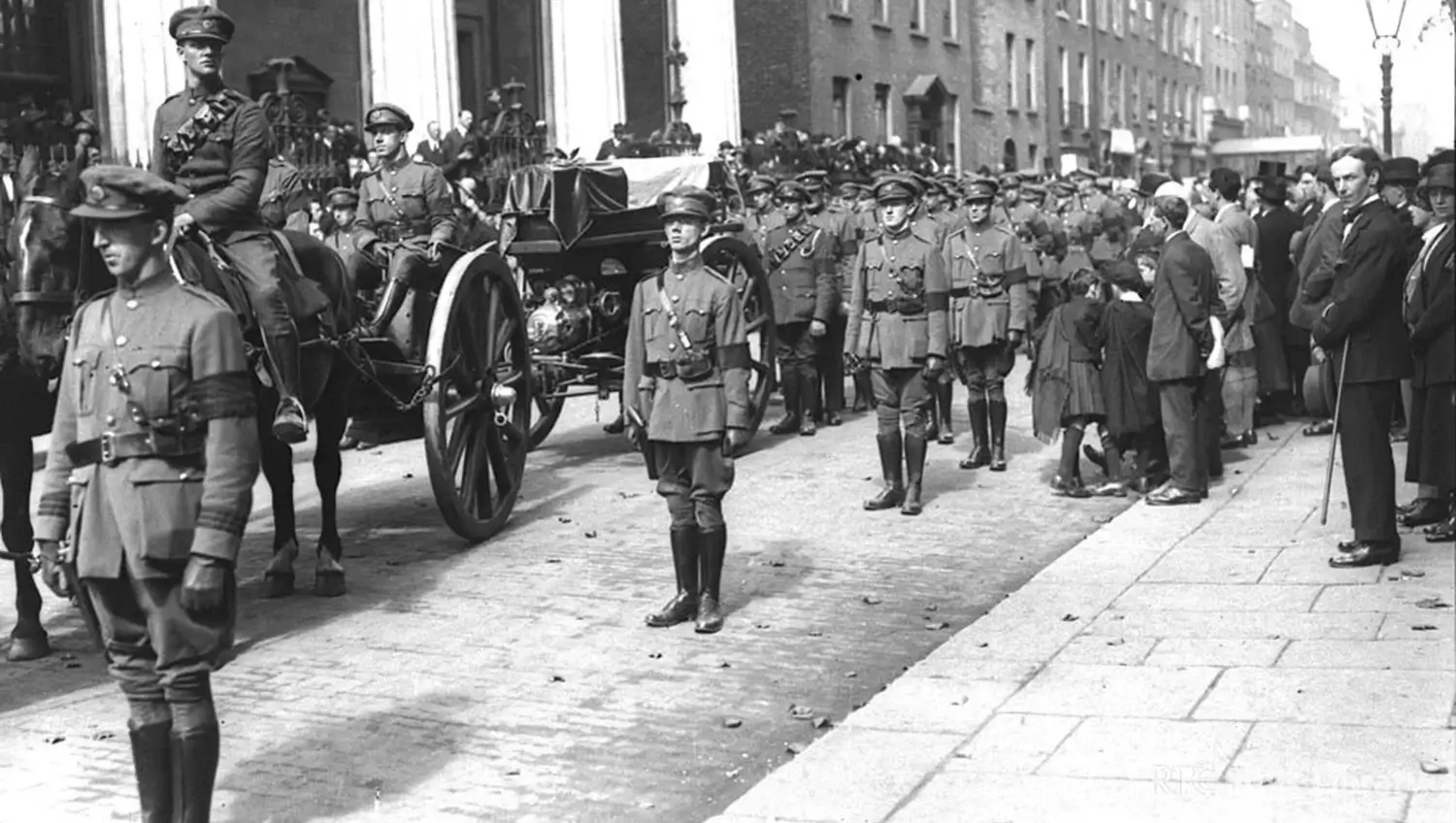
Timeline of Michael collins life
1890: Michael Collins is Born
Michael Collins was born on October 16, 1890, in Woodfield, County Cork, Ireland. He was the youngest of eight children in a farming family. Collins grew up in a rural setting, where he developed a deep love for the Irish countryside and a strong sense of national identity. His father, Michael John Collins, passed away when he was just six years old, leaving his mother, Mary Anne O'Brien Collins, to raise the children on her own. Despite the financial challenges they faced, Collins's mother prioritized education and ensured that he received a good education. Collins attended the local national school and later went on to study at the prestigious Clonakilty National School and the prestigious Castleknock College in Dublin. These formative years in rural Ireland shaped Collins's early life and instilled in him a passion for his country and its struggle for independence
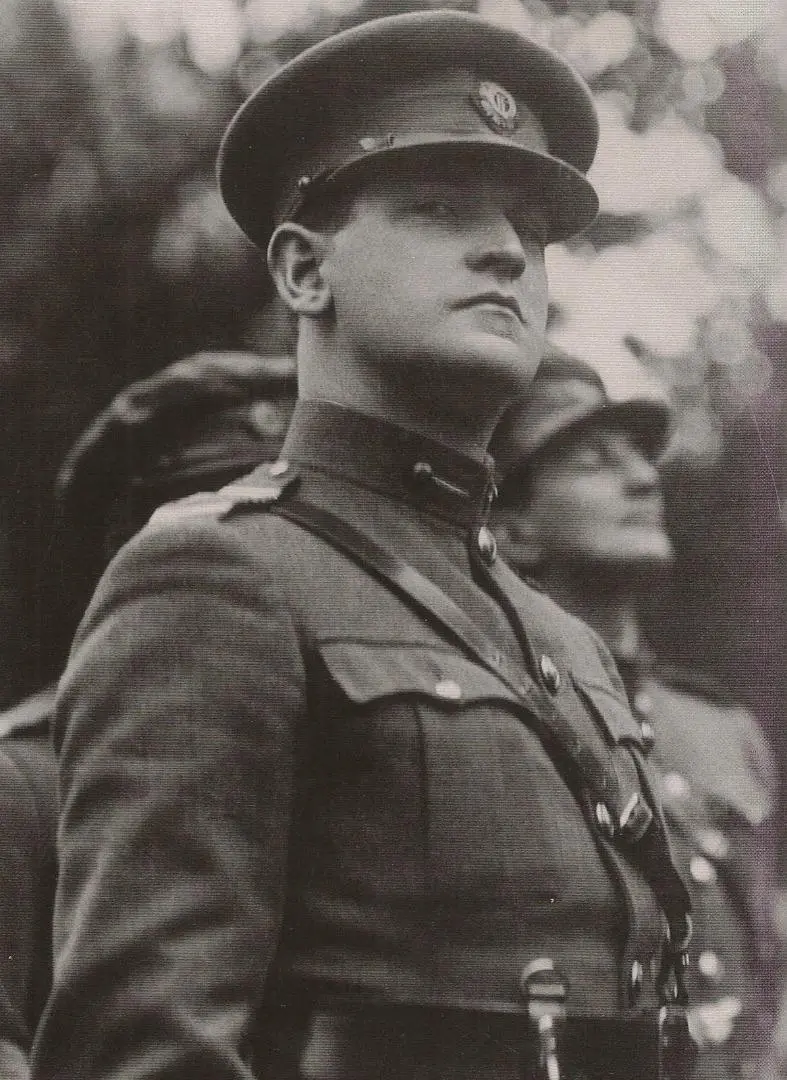
1916: Collins participates in the Easter Rising
In 1916, Michael Collins actively participated in the Easter Rising, a seminal event in Ireland's fight for independence. As a dedicated member of the Irish Volunteers, Collins played a crucial role in the rebellion against British rule. During the Rising, he served as a dispatch rider and aide-de-camp to Joseph Plunkett, one of the leaders of the uprising. Collins's role involved delivering messages, coordinating activities, and ensuring effective communication among the rebel forces. He bravely navigated the dangerous streets of Dublin, evading British patrols and conveying vital information. Although the Rising ultimately faced military defeat, Collins's dedication, resourcefulness, and commitment to the cause left a lasting impression. The experience of the 1916 Easter Rising ignited Collins's determination to pursue Irish independence through whatever means necessary. It set the stage for his future involvement as a key figure in the Irish War of Independence and positioned him as a leading strategist and revolutionary in the fight for Ireland's freedom.
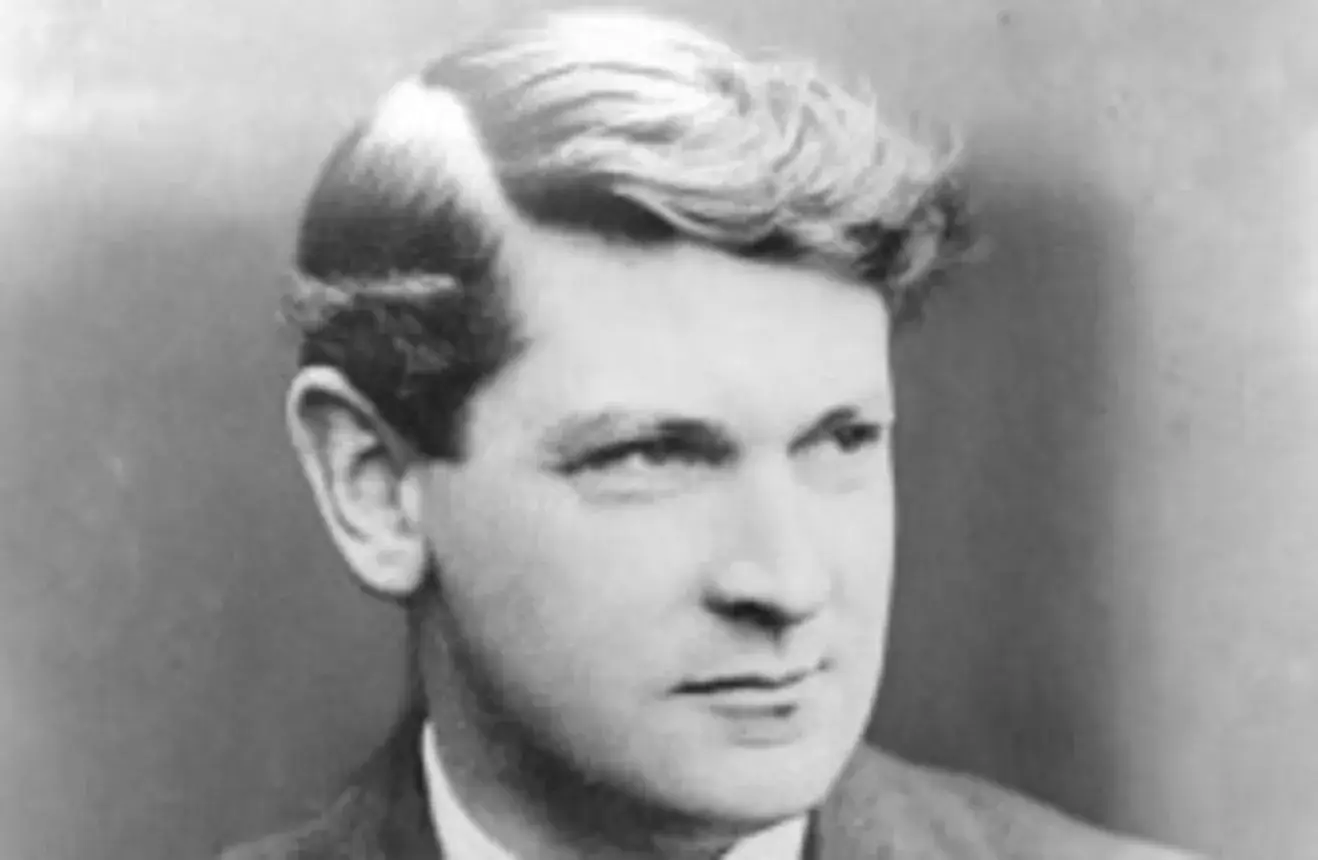
1919: Collins becomes Director of Intelligence
In 1919, a pivotal moment in Irish history took place when Michael Collins assumed the role of Director of Intelligence for the Irish Republican Army (IRA). Collins, an influential figure in the fight for Irish independence, had already demonstrated his strategic brilliance and dedication to the cause. As Director of Intelligence, Collins played a crucial role in transforming the IRA's operations and tactics, leading to significant advancements in their struggle against British rule. With his astute understanding of espionage and counterintelligence, Collins established a highly effective intelligence network that infiltrated British institutions, gathering crucial information and disrupting their efforts. His strategic planning and meticulous execution earned him the reputation of "The Big Fellow," a name that would resonate throughout Irish history. Under Collins' leadership, the IRA's intelligence-gathering capabilities strengthened, enabling them to outmaneuver their opponents and strike decisive blows against the British forces. His tenure as Director of Intelligence marked a turning point in the fight for Irish independence, propelling Collins into a position of immense influence and cementing his legacy as one of Ireland's most celebrated and revered patriots.
1921: Collins serves as one of the principal negotiators for the Anglo-Irish Treaty
In 1921, Michael Collins found himself at the forefront of negotiations that would shape the future of Ireland. Serving as one of the principal negotiators for the Anglo-Irish Treaty, Collins played a pivotal role in attempting to secure a settlement with the British government. The treaty aimed to establish a new relationship between Ireland and Britain, granting Ireland a level of self-governance and independence. Collins brought his formidable intellect, political acumen, and unwavering commitment to the Irish cause to the negotiating table. Despite facing immense pressure and scrutiny from various factions within Ireland, Collins skillfully navigated the delicate negotiations, advocating for the best possible terms for his country. While the treaty fell short of full independence and proved controversial among some Irish nationalists, it was a significant achievement in securing limited self-rule for Ireland. Collins' involvement in the negotiations demonstrated his ability to bridge the gap between idealism and pragmatism, and his role in shaping the treaty further solidified his place as a key figure in Irish history.

1922: Collins becomes Chairman of the Provisional Government and Minister for Finance
In 1922, Michael Collins took on two prominent roles within the newly formed Irish government, marking a pivotal moment in his political career. He assumed the position of Chairman of the Provisional Government, leading the administration responsible for the governance of Ireland during its transition to independence. In addition, Collins took on the role of Minister for Finance, a crucial position tasked with managing the country's economic affairs. Collins' appointment as Chairman of the Provisional Government showcased the trust and respect he commanded among his peers, as well as his ability to bridge political divisions and bring together various factions in pursuit of a common goal. As Minister for Finance, Collins displayed his remarkable financial acumen and strategic thinking, implementing policies aimed at stabilizing the economy and laying the foundations for Ireland's future prosperity. Despite the immense challenges and constraints faced by the fledgling government, Collins's leadership played a vital role in steering Ireland through this critical period of nation-building. His dedication to the cause of Irish independence, coupled with his sharp intellect and administrative skills, firmly established him as a central figure in the shaping of a new Ireland.
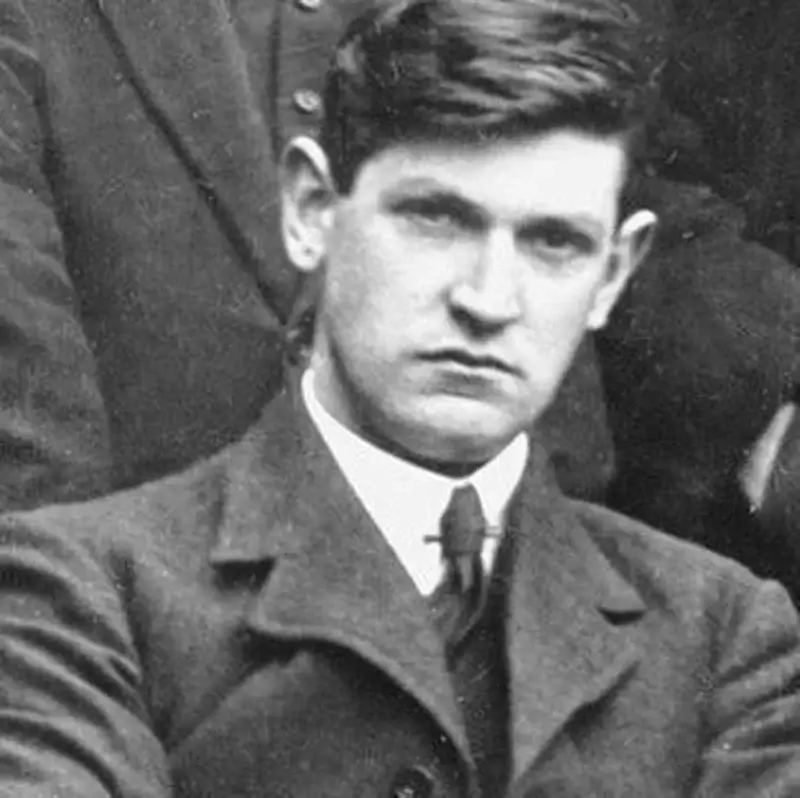
1922: Collins plays a significant role in the Irish Civil War
In 1922, the Irish Civil War erupted, and Michael Collins found himself thrust into a significant role that would shape the course of the conflict. As a key figure in the pro-independence movement and a leading member of the Irish Republican Army (IRA), Collins played a complex and influential role in the war. The conflict arose from deep divisions within the nationalist movement over the acceptance of the Anglo-Irish Treaty, which established the Irish Free State but fell short of the complete independence sought by some. Collins, having played a pivotal role in negotiating the treaty, found himself in the position of defending its provisions against anti-treaty forces led by his former comrade Éamon de Valera. Collins firmly believed that the treaty represented a step forward for Ireland, providing a foundation upon which future independence could be built. As the Commander-in-Chief of the National Army, Collins demonstrated his military acumen and strategic brilliance, leading the pro-treaty forces against their anti-treaty counterparts. Collins' tactics were characterized by a combination of conventional warfare and guerrilla tactics that he had employed during the War of Independence. He utilized intelligence networks, quick strikes, and mobile warfare to outmaneuver and weaken the anti-treaty forces. Collins' leadership and determination were instrumental in securing a series of military victories, allowing the pro-treaty forces to gain the upper hand in several regions of Ireland.
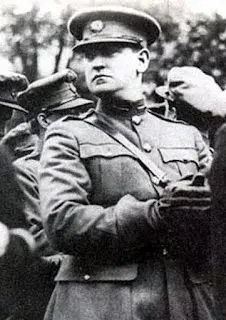
1922: Tragically, Michael Collins is killed
However, the Irish Civil War was a bitter and divisive conflict that took a heavy toll on the nation. The war tore apart families, communities, and friendships, leaving scars that would last for generations. Tragically, Collins' role in the war was cut short when he was killed in an ambush in August 1922. His death was a devastating blow to the pro-treaty side and a significant loss for the nascent Irish Free State. Despite the complexities and controversies surrounding the Irish Civil War, Collins' role in the conflict remains a subject of both admiration and criticism. He was a dedicated and charismatic leader who displayed unwavering commitment to his vision of an independent Ireland. While his actions during the war continue to be debated, there is no denying the significant impact he had on shaping the outcome of the conflict. Michael Collins' role in the Irish Civil War cemented his status as a legendary figure in Irish history. His leadership, military prowess, and determination in the face of adversity left an indelible mark on the struggle for Irish independence. Collins' legacy as a patriot and a visionary leader endures, inspiring future generations and reminding us of the complexities and sacrifices inherent in the pursuit of freedom.